Smart home gyms with integrated screen displays are revolutionizing personal wellness by bringing studio-quality workouts directly into your living room. These systems offer unparalleled convenience, personalized coaching, and a vast array of workouts, making it easier to stay motivated and achieve fitness goals. In 2026, top models like Tonal 2, Speediance Gym Monster 2, and Hydrow Arc Rower lead the market with advanced features, digital resistance, and immersive experiences, catering to diverse fitness aspirations and budgets.
What is a Smart Home Gym?
A smart home gym represents the pinnacle of modern fitness technology, seamlessly integrating exercise equipment with advanced digital features, interactive screens, and intelligent coaching. Unlike traditional workout setups, these systems are designed to offer a highly personalized and engaging experience, often mimicking the guidance of a personal trainer or the energy of a group class.
At their core, smart home gyms typically feature a high-definition screen—which can be a standalone display, a reflective mirror, or integrated directly into a piece of cardio or strength equipment. This screen serves as your central hub, delivering live and on-demand classes, performance metrics, and interactive programs. Beyond the display, these gyms incorporate cutting-edge technologies such as artificial intelligence (AI) for form correction, motion-tracking sensors, and various resistance systems, from digital electromagnetic weights to cable pulleys and even traditional free weights.
The benefits of opting for a smart home gym over a traditional fitness center are compelling and varied. They offer unmatched convenience, eliminating commute times and allowing you to work out on your schedule, anytime. Personalization is a key advantage, with many systems offering tailored workout plans, real-time feedback, and progress tracking to keep you focused. They are often space-saving, with many wall-mounted or foldable designs fitting into smaller living areas. Furthermore, the variety of available workouts—spanning strength training, cardio, yoga, HIIT, and more—keeps your routine fresh and engaging, while motivation is boosted through interactive challenges and community features.
Types of Smart Home Gyms by Price Range
Smart home gyms come in a wide spectrum of prices, reflecting their features, integrated technology, and the types of equipment included. Understanding these categories can help you align your expectations with your budget.
Under $1,000 (Budget-Friendly)
Entry-level smart home gyms typically offer foundational smart features and often leverage your existing tablet or smartphone as the primary display. These might include smart indoor cycling bikes or basic fitness mirrors that stream content but don’t integrate resistance.
- Pros: Highly affordable, excellent starting point for those new to connected fitness, and minimal commitment.
- Cons: Often less immersive than higher-end models, may require additional accessories, and limited integrated equipment.
- Who it’s for: Beginners, individuals with a tight budget, or those who prefer to use their own devices for streaming workouts and primarily focus on single modalities like cycling or bodyweight exercises. For example, some smart indoor cycling bikes connect to apps via Bluetooth for tracking and basic guided workouts without a built-in screen.
$1,000 – $3,000 (Mid-Range)
|
Our Picks for the Best Home Gym in 2026
As an Amazon Associate I earn from qualifying purchases.
|
||
| Num | Product | Action |
|---|---|---|
| 1 | Adjustable dumbbell set,20/35/45/55/70/90lbs Free Weights set with upgraded nut, 5 in 1 Weight Set Used as Kettlebells, Barbell, Push up Stand, Fitness Exercise for Home Gym Suitable Men/Women |

|
| 2 | Ally Peaks Pull Up Bar for Doorway | Thickened Steel Max Limit 440 lbs Upper Body Fitness Workout Bar| Multi-Grip Strength for Doorway | Indoor Chin-Up Bar Fitness Trainer for Home Gym Portable |
|
| 3 | VINSGUIR Ab Roller Wheel, Abs & Core Workout Equipment for Home Gym with Knee Pad Accessories, Abdominal Wheel for Full-body Strength Training |
|
| 4 | Adjustable Ropeless Battle Ropes for Home Gym for Men & Women,Adjustable Weights Cordless Battle Ropes with Storage Bag,Multifunctional Strength Training for Home & Gym |
|
| 5 | Resistance Bands for Working Out, 5-Pack Elastic Loop Exercise Bands for Strength Training Stretching, Home Gym Equipment for Pilates Yoga Physical Therapy, Leg Glute Arm Workout Kit for Women Men |
|
| 6 | TRX All-In-One Home Gym System – Complete Suspension Training Kit for Strength Training, HIIT & Full-Body Workouts at Home or Outdoors, Includes Indoor & Outdoor Anchors |
|
| 7 | MQRW Push Up Board,Home Gym,Portable Exercise Equipment,Pilates Bar and 20 Fitness Accessories with Resistance Bands and Ab Roller Wheel,Full Body Workout at Home |
|
| 8 | 6-Tier Home Gym Storage Rack with Wheels, Dumbbell Weight Rack and Yoga Mat Organizer, Multi-Purpose Gym Equipment Storage Stand for Home Gym Accessories |
|
| 9 | Yoleo Adjustable Weight Bench for Full Body Workout; Foldable Bench Press Bench of Home Gym Strength Training; Incline Decline Flat Utility Workout Bench with Quick Folding& Fast Adjustment (Black) |
|
| 10 | Sunny Health & Fitness Mini Stepper for Exercise at Home, Stair Step Workout Machine with Resistance Band and Over 300lb Weight Capacity, Optional Twist Motion and Free SunnyFit App Connection |
|
This category offers a more robust smart gym experience, often featuring dedicated built-in screens and more advanced tracking capabilities. You’ll find a good balance of features and cost, with many offering a wider variety of interactive classes.
- Pros: Dedicated displays enhance immersion, broader range of workout content, and often include some form of integrated resistance or specialized equipment.
- Cons: Still a significant investment, and may not offer the most advanced AI coaching or digital resistance found in premium models.
- Who it’s for: Fitness enthusiasts seeking a dedicated and more immersive home workout solution without the top-tier price tag, such as those interested in smart rowing machines or fitness mirrors with a good selection of classes. The Echelon Reflect 50″ Smart Fitness Mirror, for instance, provides a large HD touchscreen for diverse workouts.
Over $3,000 (Premium/High-End)
These represent the most advanced and comprehensive smart home gyms available, packed with cutting-edge technology, extensive workout libraries, and often unique resistance systems.
- Pros: Highly immersive, deeply personalized AI coaching, advanced digital resistance, multi-faceted workout options, superior build quality, and comprehensive progress tracking.
- Cons: High initial investment, and often come with ongoing subscription fees for full access to content and features.
- Who it’s for: Dedicated athletes, fitness enthusiasts seeking an all-in-one gym replacement, those with ample budget, and individuals who prioritize the latest in fitness technology. Examples include the Tonal 2, Speediance Gym Monster 2, Hydrow Arc Rower, Tempo Studio, and NordicTrack Vault.
Top Smart Home Gyms with Screen Displays
The smart home gym market is continually evolving, with new innovations emerging each year. Several standout systems are leading the charge, offering unique features and unparalleled workout experiences.
Tonal 2
Tonal 2 sets the standard for smart strength training, boasting digital weight technology and AI-powered coaching. This sleek, wall-mounted system offers up to 200 pounds of electromagnetic resistance, providing a full-body workout without the need for bulky plates or dumbbells. Its integrated display delivers personalized workouts and real-time form feedback, adapting the weight as you progress.
- Pros: Revolutionary digital resistance, intelligent AI coaching, compact wall-mounted design ideal for small spaces, and comprehensive progress tracking.
- Cons: High initial cost, professional wall installation is typically required.
- Specs: Up to 200 lbs digital resistance, large built-in display, adjustable arms, integrated camera for form analysis.
Speediance Gym Monster 2
The Speediance Gym Monster 2 is a versatile, cable-centric smart gym that delivers a full-body workout in a compact, foldable design. It offers up to 220 pounds of adjustable electromagnetic resistance through its cables, which can be repositioned from floor to 72 inches high for a wide array of exercises. The massive touchscreen allows for easy weight adjustments and access to guided classes.
- Pros: Exceptional versatility for strength training, highly compact and foldable for storage, large and intuitive touchscreen, and various resistance options (standard, chain, eccentric).
- Cons: May require additional accessories (like a bench or rower attachment) to unlock its full potential across all workout types.
- Specs: Electromagnetic resistance up to 220 lbs, multiple cable adjustment points, large HD touchscreen, and a foldable platform.
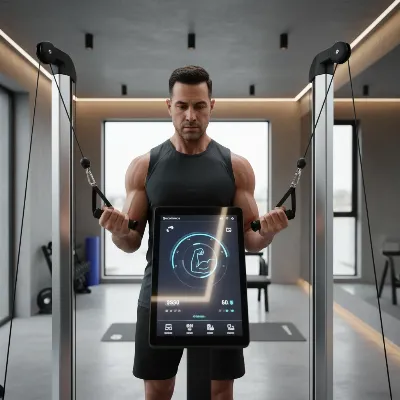 Speediance Gym Monster 2 smart home gym with screen display for versatile workouts
Hydrow Arc Rower
For cardio enthusiasts seeking an immersive experience, the Hydrow Arc Rower stands out. This connected rower features whisper-quiet magnetic resistance and a large 24-inch HD screen that transports you to virtual waterways, offering an engaging and realistic rowing experience. It provides real-time technique assessment to help refine your form and competitive community features.
- Pros: Immersive and quiet rowing experience, high-quality display, real-time technique feedback, and competitive community challenges.
- Cons: Primarily focused on rowing, making it less versatile for full-body strength training unless supplemented. High price point.
- Specs: Magnetic resistance, 24-inch HD touchscreen, technique assessment functions, sturdy steel and aluminum frame.
Tempo Studio
Tempo Studio uniquely integrates traditional free weights with AI-powered coaching. It comes with a complete set of weight plates, a barbell, and dumbbells, all neatly stored within a sleek cabinet. The large display provides hundreds of classes led by AI trainers, who offer real-time feedback to correct your form using a 3D sensor camera.
- Pros: Combines the benefits of free weights with smart coaching, AI-driven form correction, includes organized storage for equipment, and engaging classes.
- Cons: Requires more floor space compared to wall-mounted mirror systems, and visual-only form feedback can sometimes be missed.
- Specs: Includes weight plates, barbell, dumbbells; AI-powered 3D sensor camera for form analysis; large touchscreen display.
Echelon Reflect 50″ Smart Fitness Mirror
The Echelon Reflect offers a sleek, space-saving design that transforms any room into a fitness studio. This attractive workout mirror features a 50-inch HD touchscreen, providing access to thousands of live and on-demand classes across various disciplines, including boxing, cardio, yoga, Pilates, and strength training. It can be wall-mounted for a zero-footprint solution or used with a sturdy stand.
- Pros: Elegant and discreet design, versatile wall-mounted or freestanding options, vast library of diverse workout classes, and a front-facing camera for future personal training.
- Cons: Does not include integrated resistance equipment, requiring users to supply their own weights or accessories for strength workouts.
- Specs: 50-inch HD touchscreen, reflective surface, live and on-demand classes (kickboxing, yoga, cardio, strength), and Bluetooth connectivity.
NordicTrack Vault Fitness Mirror
The NordicTrack Vault is an all-in-one smart home gym that combines a 6-foot reflective mirror with a fully stocked storage cabinet. It includes essential fitness equipment such as dumbbells, kettlebells, resistance bands, and yoga blocks, making it an excellent option for studio-style workouts. The mirror displays iFIT-powered live and on-demand classes, allowing you to follow trainers while observing your own form.
- Pros: Comprehensive all-in-one system with included equipment and storage, large immersive mirror, and access to the extensive iFIT workout library.
- Cons: Requires a dedicated space when the storage cabinet is open, as it’s less compact than other mirror-only options.
- Specs: 6-foot reflective mirror, integrated storage for included dumbbells, kettlebells, resistance bands, and yoga blocks; iFIT compatibility.
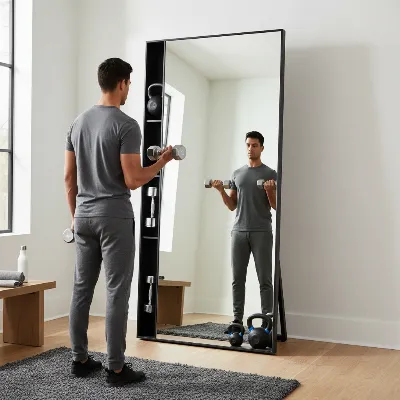 NordicTrack Vault smart fitness mirror with integrated storage and accessories
Peloton Bike+
While primarily a connected cardio machine, the Peloton Bike+ remains a leader in the smart home gym space for cycling and cross-training. Its 22-inch HD touchscreen delivers thousands of live and on-demand cycling classes with highly engaging instructors and a vibrant community. The bike features silent magnetic resistance and real-time metrics tracking output, cadence, and heart rate.
- Pros: Industry-leading cycling platform, vast and diverse library of live and on-demand classes, highly motivating instructors and community features, and silent operation.
- Cons: Primarily focused on cycling, so less versatile for full-body strength workouts unless paired with other equipment or a Peloton Guide subscription. Requires a monthly membership.
- Specs: 22-inch HD touchscreen, silent magnetic resistance, real-time performance metrics (output, cadence, resistance, heart rate), integrated speakers.
Comparison Table
| Feature | Tonal 2 | Speediance GM 2 | Hydrow Arc Rower | Tempo Studio | Echelon Reflect 50″ | NordicTrack Vault | Peloton Bike+ |
|---|---|---|---|---|---|---|---|
| Price Range | Premium (>$3,000) | Premium (>$3,000) | Premium (>$3,000) | Premium (>$3,000) | Mid-range ($1K-$3K) | Premium (>$3,000) | Premium (>$3,000) |
| Primary Focus | Strength Training | Strength Training | Cardio (Rowing) | Strength Training | Bodyweight/Strength | Strength Training | Cardio (Cycling) |
| Resistance Type | Digital (up to 200 lbs) | Electromagnetic (up to 220 lbs) | Magnetic | Free Weights | N/A (user provides) | Free Weights (included) | Magnetic |
| Screen Size | Large Built-in | Massive Touchscreen | 24-inch HD | Large Display | 50-inch HD | 6-foot Mirror | 22-inch HD Touchscreen |
| Key Feature | AI Adaptive Weighting | Versatile Cable System | Immersive Virtual Rows | AI Form Correction | Wide Class Variety | Integrated Storage | Live Cycling Classes |
| Space Footprint | Wall-mounted | Compact, Foldable | Moderate | Moderate to Large | Wall-mounted / Stand | Moderate to Large | Moderate |
> “The integration of AI and real-time data into home gym equipment isn’t just a trend; it’s a fundamental shift, offering personalized precision that was once exclusive to elite training environments.” – Alex Polish, NASM-CNC, ACE-CPT
How to Choose Your Perfect Smart Home Gym
Selecting the ideal smart home gym requires careful consideration of your individual needs, preferences, and circumstances. This decision guide will help you navigate the process effectively.
1. Define Your Needs and Goals
Start by clearly identifying your fitness objectives. Are you primarily focused on building strength, improving cardiovascular endurance, increasing flexibility, or a combination? Do you want a system for weight loss, muscle gain, or general wellness? Your goals will significantly influence the type of equipment and class variety you should prioritize. For example, a dedicated strength machine like Tonal would suit muscle gain, while a Hydrow Rower is excellent for endurance.
2. Budget Considerations
Beyond the initial purchase price, factor in potential ongoing costs. Many premium smart home gyms require a monthly subscription fee to access their full library of classes, AI features, and progress tracking. Evaluate how these recurring expenses fit into your long-term financial plan. Consider financing options often offered by manufacturers.
3. Space Availability
Measure your available workout area. Some smart home gyms are designed to be highly space-efficient, like wall-mounted mirrors or foldable cable systems, making them ideal for apartments or smaller rooms. Others, such as those with integrated cardio machines or free weight storage, require more dedicated floor space. Ensure you have adequate clearance for movement around the equipment.
4. Key Features to Consider
- Material Quality and Durability: Investing in a smart home gym is a long-term commitment. Look for sturdy construction materials (e.g., steel, aluminum) and robust components that can withstand regular use and provide longevity.
- Screen Size and Interactivity: Larger, high-definition, and responsive touchscreens enhance the immersive workout experience. Consider how clear the display is and how easily you can navigate menus and classes.
- Resistance Type and Range: Evaluate the type of resistance offered (digital, electromagnetic, magnetic, free weights) and its maximum capacity. Ensure it aligns with your current and future strength levels.
- Workout Variety and Content Library: A diverse library of live and on-demand classes across various disciplines will keep your workouts engaging. Look for offerings that cater to your preferred styles (e.g., HIIT, yoga, strength, cardio, boxing).
- AI Coaching and Tracking: Real-time form correction, personalized weight adjustments, and detailed progress tracking can significantly enhance your results and prevent injury. Systems with integrated cameras and sensors are key here.
- Connectivity: Check for seamless integration with other fitness apps (like Apple Health, Strava, Zwift) and accessories (heart rate monitors, smartwatches) to consolidate your fitness data.
- Brand Reputation and Support: Research customer reviews, warranty policies, and the responsiveness of customer service. A reliable brand will offer peace of mind.
5. Where to Buy
Most smart home gyms are available directly from the manufacturer’s website. Reputable online electronics and fitness retailers may also carry a selection. Some brands have showrooms where you can try the equipment before purchasing. Always compare prices and read recent reviews from verified buyers.
Conclusion
The evolution of smart home gyms with screen displays has truly revolutionized the way we approach fitness, offering unparalleled convenience, personalization, and motivation from the comfort of your home. From the AI-driven digital weights of Tonal to the immersive rowing experience of Hydrow, and the comprehensive storage of the NordicTrack Vault, there’s a cutting-edge solution for nearly every fitness goal and living space. By carefully considering your personal needs, budget, available space, and desired features, you can confidently choose a system that not only helps you achieve your fitness aspirations but also transforms your home into a dynamic and engaging workout sanctuary. Embrace the future of fitness and take the first step towards a stronger, healthier you.
Which smart home gym feature do you believe will have the biggest impact on your fitness journey?
Frequently Asked Questions
How to Choose Your Perfect Smart Home Gym
Selecting the ideal smart home gym requires careful consideration of your individual needs, preferences, and circumstances. This guide will help you navigate the process effectively.
Clearly identify your fitness objectives, such as building strength, improving cardiovascular endurance, or general wellness. Your goals will significantly influence the type of equipment and class variety you should prioritize. For example, a Tonal is ideal for muscle gain, while a Hydrow Rower suits endurance training.
Factor in both the initial purchase price and potential ongoing costs, as many premium smart home gyms require a monthly subscription for full access to classes and features. Evaluate how these recurring expenses fit into your long-term financial plan. Manufacturers often offer financing options.
Measure your available workout area to ensure the chosen smart home gym fits comfortably. Wall-mounted mirrors or foldable cable systems are space-efficient, ideal for smaller rooms. Systems with integrated cardio machines or free weight storage require more dedicated floor space, so ensure adequate clearance for movement.
Look for sturdy construction materials, large high-definition touchscreens, and resistance types that align with your fitness level. A diverse workout library, AI coaching for form correction, and seamless connectivity with other fitness apps are also crucial features to consider for an engaging experience.
Investigate customer reviews, warranty policies, and the responsiveness of customer service for reliable brands. Most smart home gyms are available directly from the manufacturer's website or reputable online retailers. Always compare prices and read recent reviews from verified buyers before making a purchase.

I was really excited about the Hydrow Arc Rower, especially for the immersive experience. The rowing itself is great, and the screen is beautiful. However, I found the monthly subscription fee a bit steep on top of the initial cost, which makes it harder to justify long-term for my budget. Still a solid piece of equipment though.
I finally pulled the trigger on the Tonal 2 after reading about it here, and I’m so glad I did! The digital resistance is a game-changer for my strength training. It’s incredibly smooth and the personalized coaching keeps me challenged without overdoing it. Definitely worth the investment for anyone serious about their home workouts.
My family and I have been using a smart home gym with a screen display for about six months now, and it’s completely transformed our fitness routine. We used to struggle with motivation, but having the studio-quality workouts right in our living room makes it so convenient. It’s amazing how much more consistent we’ve become.
The Speediance Gym Monster 2 has been a fantastic addition to my garage gym. I love the variety of workouts available on the screen, and it’s so much more engaging than just following a video on my phone. My only minor gripe is that the initial setup took a bit longer than I expected, but once it was done, it’s been flawless.