Preventing rust in a garage home gym primarily involves controlling humidity, performing consistent post-workout wipe-downs, and applying protective coatings. Garage environments, with their fluctuating temperatures, inherent dampness, and often poor ventilation, create ideal conditions for corrosion to attack valuable gym equipment. Implementing a multi-faceted strategy ensures barbells, dumbbells, and machines remain pristine and functional for years, safeguarding both their performance and longevity.
The Silent Threat: Understanding Rust in Your Garage Gym
Rust, a common form of corrosion, occurs when iron or its alloys (like steel, prevalent in gym equipment) react with oxygen and moisture. This chemical process creates iron oxides, weakening the metal and diminishing its structural integrity. Garages, while convenient, are particularly challenging environments for fitness gear due to several key factors that accelerate this process.
What Causes Rust on Home Gym Equipment?
The primary culprits behind garage gym rust are environmental conditions and usage habits. Understanding these factors is the first step toward effective prevention.
- Humidity and Condensation: Garages are often not as well-sealed or insulated as other parts of your home, making them susceptible to significant humidity swings. When warm, moist air meets cooler metal surfaces, condensation forms, leaving a thin layer of water that initiates the rusting process. This is especially problematic during seasonal changes or in regions with high ambient humidity.
- Sweat and Chlorides: Your sweat, while a sign of a great workout, is a potent rust accelerator. It contains sodium chloride (salt) which speeds up the oxidation of metal. If equipment isn’t wiped down immediately after use, these corrosive elements can sit on surfaces, eating away at protective coatings and directly attacking the metal underneath.
- Temperature Fluctuations: Garages experience broader temperature ranges than indoor spaces. As metal equipment heats up during a workout and then cools down, it can promote condensation, especially on cooler days, providing the moisture needed for rust formation. Higher temperatures can also accelerate the rate of the chemical reaction that causes rust.
- Lack of Ventilation: Many garages lack adequate airflow. Poor ventilation traps humid air and moisture, preventing equipment from drying properly and creating a perpetually damp environment conducive to rust.
- Damage to Protective Coatings: Most gym equipment comes with a protective layer, such as paint, chrome, or powder coating, designed to shield the metal from the elements. Scratches, chips, or general wear and tear can compromise this barrier, exposing the raw metal beneath and making it vulnerable to rust.
- Other Environmental Factors: In coastal areas, airborne salt particles can significantly accelerate corrosion. Dust and other pollutants can accumulate on equipment, trapping moisture and contributing to rust over time.
Why Preventing Rust is Crucial for Your Equipment
|
Our Picks for the Best Home Gym in 2026
As an Amazon Associate I earn from qualifying purchases.
|
||
| Num | Product | Action |
|---|---|---|
| 1 | Adjustable dumbbell set,20/35/45/55/70/90lbs Free Weights set with upgraded nut, 5 in 1 Weight Set Used as Kettlebells, Barbell, Push up Stand, Fitness Exercise for Home Gym Suitable Men/Women |

|
| 2 | Adjustable Ropeless Battle Ropes for Home Gym for Men & Women,Adjustable Weights Cordless Battle Ropes with Storage Bag,Multifunctional Strength Training for Home & Gym |
|
| 3 | Ally Peaks Pull Up Bar for Doorway | Thickened Steel Max Limit 440 lbs Upper Body Fitness Workout Bar| Multi-Grip Strength for Doorway | Indoor Chin-Up Bar Fitness Trainer for Home Gym Portable |
|
| 4 | Sunny Health & Fitness Mini Stepper for Exercise at Home, Stair Step Workout Machine with Resistance Band and Over 300lb Weight Capacity, Optional Twist Motion and Free SunnyFit App Connection |
|
| 5 | 6-Tier Home Gym Storage Rack with Wheels, Dumbbell Weight Rack and Yoga Mat Organizer, Multi-Purpose Gym Equipment Storage Stand for Home Gym Accessories |
|
| 6 | VINSGUIR Ab Roller Wheel, Abs & Core Workout Equipment for Home Gym with Knee Pad Accessories, Abdominal Wheel for Full-body Strength Training |
|
| 7 | TRX All-In-One Home Gym System – Complete Suspension Training Kit for Strength Training, HIIT & Full-Body Workouts at Home or Outdoors, Includes Indoor & Outdoor Anchors |
|
| 8 | Yoleo Adjustable Weight Bench for Full Body Workout; Foldable Bench Press Bench of Home Gym Strength Training; Incline Decline Flat Utility Workout Bench with Quick Folding& Fast Adjustment (Black) |
|
| 9 | Resistance Bands for Working Out, 5-Pack Elastic Loop Exercise Bands for Strength Training Stretching, Home Gym Equipment for Pilates Yoga Physical Therapy, Leg Glute Arm Workout Kit for Women Men |
|
| 10 | MQRW Push Up Board,Home Gym,Portable Exercise Equipment,Pilates Bar and 20 Fitness Accessories with Resistance Bands and Ab Roller Wheel,Full Body Workout at Home |
|
Neglecting rust prevention can have severe consequences, impacting not just the appearance but also the safety and functionality of your home gym.
- Preserving Structural Integrity and Safety: Rust weakens metal, making barbells, racks, and machine components brittle and potentially unsafe. A rusted weight plate or a compromised support beam can lead to equipment failure, posing a serious risk of injury during your workout.
- Maintaining Performance and Smooth Operation: Rust buildup on moving parts like barbell sleeves, pulleys, or machine bearings can cause friction, stickiness, and ultimately, seize-ups. This hinders smooth operation, makes workouts less effective, and can permanently damage the equipment’s mechanics.
- Protecting Your Investment and Aesthetics: Quality gym equipment represents a significant investment. Rust degrades the aesthetic appeal, turning gleaming metal into an unsightly, reddish-brown mess. More importantly, it dramatically shortens the lifespan of your gear, leading to costly repairs or premature replacements. Protecting your equipment from rust is essential for maximizing its value and ensuring it looks as good as it performs.
Proactive Strategies for a Rust-Free Environment
Creating a rust-resistant garage gym requires a multi-faceted approach, focusing on environmental control, diligent maintenance, and smart storage.
Humidity Control: The First Line of Defense
Managing the moisture in your garage is arguably the most critical step in rust prevention. Without addressing humidity, other measures may only offer temporary relief.
- Dehumidifiers: An effective dehumidifier is an indispensable tool for any garage gym, actively pulling excess moisture from the air. When choosing one, consider your garage’s square footage to select an appropriate capacity, measured in pints per day (PPD). Features like continuous drainage (with a built-in pump or gravity drain) are highly convenient, eliminating the need to manually empty a water tank. Auto-defrost capabilities are crucial for colder garage environments, ensuring the unit operates efficiently even in low temperatures. Look for Energy Star certified models to keep running costs down and prioritize quieter operation if you spend extended periods in your gym.
| Dehumidifier Feature | Benefit for Garage Gym |
|---|---|
| Capacity (PPD) | Matches garage size for effective moisture removal. |
| Continuous Drain | Hands-free operation, no need to empty water tank. |
| Built-in Pump | Allows drainage to higher outlets or outside. |
| Auto-Defrost | Ensures operation in cold garage temperatures. |
| Energy Star | Reduces electricity consumption, saves on bills. |
| Quiet Operation | Minimizes distraction during workouts. |
- Ventilation and Airflow: Supplementing a dehumidifier with good airflow is vital. Open garage doors and windows when conditions allow to circulate fresh air. Using large floor fans during and after workouts can help dissipate humid air and accelerate the drying of equipment surfaces, preventing sweat from lingering. Proper ventilation prevents moisture from becoming stagnant and settling on metal.
- Garage Sealing and Insulation: Taking steps to seal your garage can dramatically reduce moisture infiltration. Check for gaps around doors and windows, and consider weatherstripping or sealing cracks in the foundation. Improving insulation can help stabilize internal temperatures, reducing condensation on equipment surfaces and making your dehumidifier more efficient.
Essential Maintenance for Your Gym Gear
Consistent, proper cleaning and maintenance are non-negotiable for preserving your equipment. These habits directly combat the corrosive effects of sweat and environmental moisture.
- Post-Workout Wipe-Downs: This is perhaps the simplest yet most impactful daily habit. Immediately after each workout, use a clean, dry microfiber cloth to wipe down all metal surfaces, especially those that come into contact with sweat. Focus on barbells, dumbbell handles, machine grips, and benches. Microfiber is ideal for absorbing moisture and oils without scratching.
- Regular Deep Cleaning: Beyond daily wipe-downs, conduct a more thorough cleaning weekly or bi-weekly, depending on usage. Mix a mild soap with water and gently clean surfaces, paying attention to knurling, joints, and any areas where dust or grime might accumulate. Always ensure equipment is meticulously dried afterward; never let water sit on metal surfaces for extended periods. This routine helps remove corrosive residues and prevents buildup that could trap moisture.
- Routine Inspection: Make it a habit to regularly inspect all your equipment for early signs of wear, chipped paint, or small rust spots. Addressing these issues promptly can prevent them from escalating into larger, more damaging problems. Look closely at welds, bolts, and areas with frequent contact.
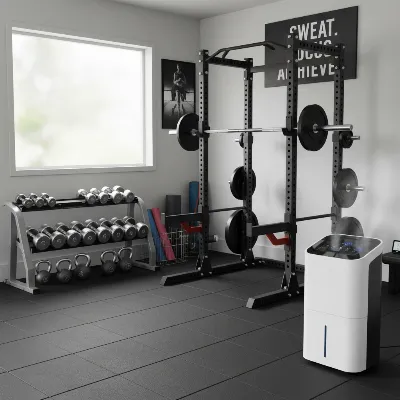 A clean, organized garage gym with a modern dehumidifier actively running in the corner, bright and well-lit with fitness equipment prominently displayed.
Advanced Protection: Coatings, Oils, and Storage Solutions
While environmental control and regular cleaning form the foundation, specialized products and smart storage offer an additional layer of defense against rust.
Protective Coatings and Lubricants
Think of these as an invisible shield for your metal components, designed to repel moisture and inhibit corrosion.
- Rust-Inhibiting Oils and Sprays: Applying a thin, even coat of rust-inhibiting oil or a silicone-based spray to metal surfaces can create a crucial moisture barrier. These products are particularly effective on barbell sleeves, plates, power rack pins, and machine joints. For barbells, a light application every few weeks, especially on the knurling, can make a significant difference. Always use products specifically designed for metal protection, avoiding common household oils that may not offer adequate corrosion resistance.
- Anti-Corrosion Sprays: Products like Muc-Off Sweat Protect or Sweatopia are specifically formulated to combat sweat-induced corrosion. These advanced sprays often contain rust inhibitors and additives that actively drive out existing moisture and leave a durable protective layer. Some even claim to stop rust in its tracks on surfaces already showing signs of corrosion. They are typically applied after cleaning and can offer protection for up to three months. When using sprays, be mindful to avoid application on tire treads or braking surfaces.
- Vapor Corrosion Inhibitor (VCI) Products: For smaller items or equipment stored in enclosed spaces, VCI technology offers innovative protection. VCI drawer liners or capsules release a protective vapor that forms a molecular layer on metal surfaces, preventing rust. These are ideal for storing dumbbells, kettlebells, or smaller accessories in cabinets, boxes, or even gym bags, providing long-term, hassle-free protection.
Smart Storage Practices
How you store your equipment can significantly impact its vulnerability to rust. Thoughtful placement and covering can extend its life.
- Elevating Equipment: Never store metal gym equipment directly on a cold, damp concrete garage floor. Concrete can hold moisture, which will transfer directly to your equipment. Utilize proper storage racks for barbells and weight plates. For larger machines, place them on durable rubber mats or lifts to create a barrier between the metal components and the floor. This simple step can prevent moisture absorption from the ground up.
- Protective Covers: When equipment is not in regular use, especially during periods of high humidity or if your garage is particularly exposed, consider using protective covers. Opt for covers made from breathable, water-resistant materials. The key is to ensure equipment is completely dry before covering it, as trapping moisture underneath a cover will create a mini-greenhouse effect, accelerating rust rather than preventing it. Covers also provide protection against dust and other airborne pollutants.
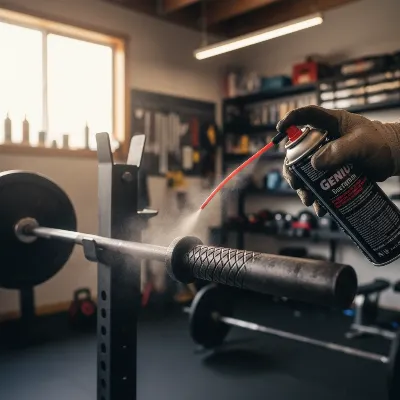 A close-up shot of a hand applying rust-preventative spray to the knurling of a barbell in a garage gym setting, highlighting precision and protection.
Addressing Existing Rust and Future-Proofing Your Investment
Even with the best preventative measures, a small rust spot might occasionally appear. Swift action can prevent it from spreading, and making informed choices about new equipment can further fortify your garage gym.
How to Remove Light Rust
If you spot minor rust, don’t despair. Early intervention is key to preventing further damage.
- Tools and Techniques: For light surface rust, a wire brush or steel wool can be effective for buffing off loose debris. For more stubborn spots, commercial rust removers or converters can neutralize the chemical reaction and prepare the surface for re-protection. Always follow product instructions carefully and wear appropriate protective gear.
- Re-protecting Treated Areas: Once rust is removed, the exposed metal is highly vulnerable. It is crucial to immediately apply a rust-inhibiting primer, paint, or a protective oil coating to create a new barrier against moisture and oxygen. This step is non-negotiable to prevent the rust from returning.
Choosing Rust-Resistant Equipment
When expanding or replacing equipment, prioritize materials and finishes known for their durability in challenging environments.
- Materials to Look For: Equipment made with powder-coated steel offers a more resilient finish than traditional paint, resisting chips and weather damage. Stainless steel components, while often pricier, are highly resistant to rust and are an excellent choice for critical parts like barbell collars, screws, or machine hardware that experience high contact or environmental exposure. Equipment featuring plastic or rubber coatings on handles, weight plates, or other components provides an inherent barrier against direct metal exposure and rust. These material choices can significantly extend the life of your gym gear, even in a garage setting.
Conclusion
Creating and maintaining a rust-free garage home gym is an achievable goal, not an impossible dream. By understanding the causes of corrosion and implementing a comprehensive strategy that combines environmental control, diligent maintenance, and smart protection, you can safeguard your fitness equipment. Investing in a quality dehumidifier, making post-workout wipe-downs a habit, and utilizing protective oils or sprays will ensure your barbells, dumbbells, and machines remain in peak condition. A little proactive effort goes a long way in preserving your investment and ensuring your home gym is always ready for a safe and effective workout. What steps will you take today to protect your garage gym equipment from the pervasive threat of rust?
Frequently Asked Questions
How often should I wipe down my gym equipment to prevent rust?
You should wipe down your gym equipment immediately after every single use. This is the most crucial step to remove corrosive sweat and moisture, preventing it from settling and initiating rust.
Can I use any oil to protect metal gym parts from rust?
No, it’s best to use oils specifically designed for metal protection, such as silicone-based lubricants, mineral oils, or dedicated rust-inhibiting sprays. Avoid cooking or motor oils, as they may not offer adequate protection and can attract dust.
Is stainless steel gym equipment truly rust-proof?
While highly rust-resistant, stainless steel is not entirely rust-proof, especially in highly corrosive environments like those with salt air or constant moisture. It is significantly more durable than regular steel but still benefits from proper maintenance and environmental control.
What is the ideal humidity level for a garage gym to prevent rust?
Maintaining relative humidity levels between 40% and 50% is generally considered ideal for preventing rust and mold growth in a garage gym. A hygrometer can help you monitor humidity levels accurately.
When should I replace rusted gym equipment instead of trying to fix it?
You should consider replacing equipment if the rust is extensive, affects structural components (like weight-bearing beams or welds), or compromises the safe operation of moving parts. Minor surface rust can often be treated, but deep, pitting rust indicates significant material weakening.
Frequently Asked Questions
How often should I wipe down my gym equipment to prevent rust?
You should wipe down your gym equipment immediately after every single use. This is the most crucial step to remove corrosive sweat and moisture, preventing it from settling and initiating rust on metal surfaces.
Can I use any oil to protect metal gym parts from rust?
No, it's best to use oils specifically designed for metal protection, such as silicone-based lubricants, mineral oils, or dedicated rust-inhibiting sprays. Avoid common household oils like cooking or motor oils, as they may not offer adequate corrosion resistance and can attract dust.
Is stainless steel gym equipment truly rust-proof?
While highly rust-resistant, stainless steel is not entirely rust-proof, especially in highly corrosive environments like those with salt air or constant moisture. It is significantly more durable than regular steel but still benefits from proper maintenance and environmental control to extend its lifespan.
What is the ideal humidity level for a garage gym to prevent rust?
Maintaining relative humidity levels between 40% and 50% is generally considered ideal for preventing rust and mold growth in a garage gym. A hygrometer can help you monitor humidity levels accurately to ensure optimal conditions.
When should I replace rusted gym equipment instead of trying to fix it?
You should consider replacing equipment if the rust is extensive, affects structural components (like weight-bearing beams or welds), or compromises the safe operation of moving parts. Minor surface rust can often be treated, but deep, pitting rust indicates significant material weakening and potential safety risks.

I never really thought about protective coatings beyond just oiling my barbell. Learning about the different types, especially the clear coat options for machines, was super helpful. I’m going to invest in some for my squat rack to keep it looking new. Great practical advice.
My garage gets really damp, and I was worried about my new power rack rusting out quickly. The explanation about how fluctuating temperatures contribute to corrosion made so much sense. I’ve started using a fan for better ventilation, and it seems to be helping a lot with air circulation and drying things out.
I’ve been battling rust on my barbells for ages in my garage gym. The tip about consistent post-workout wipe-downs with a microfiber cloth has been a game-changer. It’s such a simple habit but it really makes a difference, especially after a sweaty session. My equipment is looking much better already!
The advice on controlling humidity is spot on, but I found that the dehumidifier recommended was a bit out of my price range. I ended up getting a smaller, cheaper one, and it helps, but I still see some minor surface rust on my dumbbells. I guess you get what you pay for.