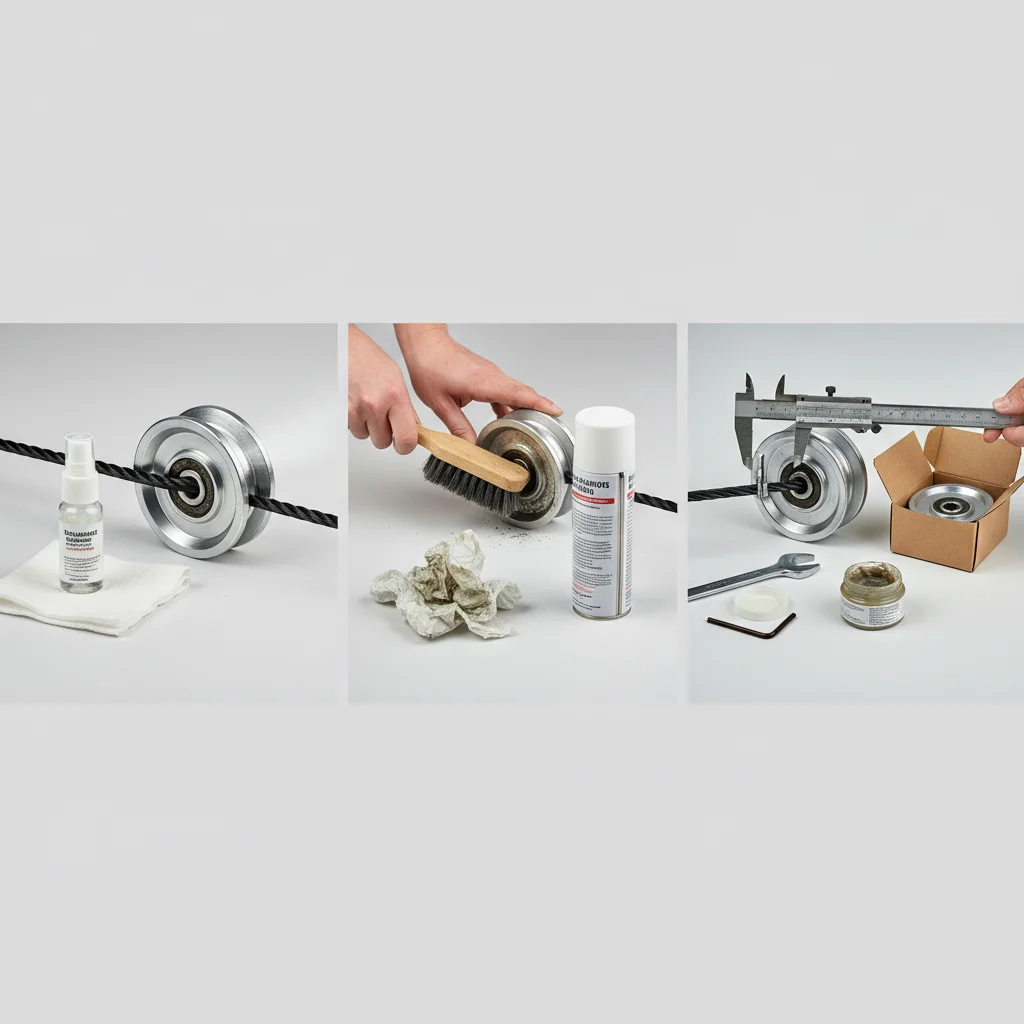
Effective home gym pulley maintenance involves three key methods: regular cleaning, appropriate lubrication, and timely inspection for wear. Implementing these practices can significantly extend the lifespan of your pulley system, ensuring smooth and safe operation for years.
Regular Cleaning for Optimal Performance
Dust, sweat, and debris can accumulate on and around your home gym pulleys, leading to friction and premature wear. A consistent cleaning schedule is crucial. Use a soft, damp cloth to wipe down the pulley wheels and housing after every few workouts. For a deeper clean, you can use a mild, non-abrasive cleaner. Ensure all components are thoroughly dry before reassembly or use to prevent rust or corrosion. For more home gym guides on this site.
Pay particular attention to the grooves of the pulley wheels where cables run. Small particles can embed themselves here, creating abrasive surfaces that damage cables over time. A small brush or even compressed air can be effective in dislodging stubborn grime.
Appropriate Lubrication for Smooth Operation
Lubrication is vital for reducing friction and ensuring the smooth, quiet operation of your home gym pulleys. Not all lubricants are created equal, so choosing the right type is important. Silicone-based lubricants are generally recommended as they do not attract dust and dirt as much as oil-based products. Apply a thin, even layer to the pulley axles and any moving parts, avoiding the cable path itself.
- Silicone-based spray for axles and bearings.
- Dry lubricant for areas prone to dust accumulation.
- Graphite powder for extremely low-friction needs.
- Avoid petroleum-based oils that can attract dirt.
- Consult your equipment manual for specific recommendations.
The frequency of lubrication depends on your usage. For moderate use (3-4 times a week), lubricating every 2-3 months should suffice. Heavy users might need to lubricate monthly. Always wipe away any excess lubricant to prevent it from attracting dust.
Timely Inspection for Wear and Tear
|
Our Picks for the Best Home Gym in 2026
As an Amazon Associate I earn from qualifying purchases.
|
||
| Num | Product | Action |
|---|---|---|
| 1 | Adjustable Ropeless Battle Ropes for Home Gym for Men & Women,Adjustable Weights Cordless Battle Ropes with Storage Bag,Multifunctional Strength Training for Home & Gym |

|
| 2 | Resistance Bands for Working Out, 5-Pack Elastic Loop Exercise Bands for Strength Training Stretching, Home Gym Equipment for Pilates Yoga Physical Therapy, Leg Glute Arm Workout Kit for Women Men |
|
| 3 | Ally Peaks Pull Up Bar for Doorway | Thickened Steel Max Limit 440 lbs Upper Body Fitness Workout Bar| Multi-Grip Strength for Doorway | Indoor Chin-Up Bar Fitness Trainer for Home Gym Portable |
|
| 4 | TRX All-In-One Home Gym System – Complete Suspension Training Kit for Strength Training, HIIT & Full-Body Workouts at Home or Outdoors, Includes Indoor & Outdoor Anchors |
|
| 5 | Adjustable dumbbell set,20/35/45/55/70/90lbs Free Weights set with upgraded nut, 5 in 1 Weight Set Used as Kettlebells, Barbell, Push up Stand, Fitness Exercise for Home Gym Suitable Men/Women |
|
| 6 | Yoleo Adjustable Weight Bench for Full Body Workout; Foldable Bench Press Bench of Home Gym Strength Training; Incline Decline Flat Utility Workout Bench with Quick Folding& Fast Adjustment (Black) |
|
| 7 | VINSGUIR Ab Roller Wheel, Abs & Core Workout Equipment for Home Gym with Knee Pad Accessories, Abdominal Wheel for Full-body Strength Training |
|
| 8 | Sunny Health & Fitness Mini Stepper for Exercise at Home, Stair Step Workout Machine with Resistance Band and Over 300lb Weight Capacity, Optional Twist Motion and Free SunnyFit App Connection |
|
| 9 | 6-Tier Home Gym Storage Rack with Wheels, Dumbbell Weight Rack and Yoga Mat Organizer, Multi-Purpose Gym Equipment Storage Stand for Home Gym Accessories |
|
| 10 | MQRW Push Up Board,Home Gym,Portable Exercise Equipment,Pilates Bar and 20 Fitness Accessories with Resistance Bands and Ab Roller Wheel,Full Body Workout at Home |
|
Proactive inspection is perhaps the most critical aspect of home gym pulley maintenance. Regularly check your pulleys for any signs of wear, such as cracks, chips, or excessive play in the bearings. A visual inspection should be performed weekly, with a more thorough hands-on check monthly.
Listen for unusual noises during your workout, such as squeaking, grinding, or clicking, which can indicate a problem with the pulleys or bearings. Feel the pulleys as they rotate; any roughness or resistance suggests an issue. Early detection of wear can prevent more significant damage to your equipment and potential safety hazards.If you notice any significant damage, it’s best to replace the affected pulley immediately rather than attempting a repair.
Replacing Worn Pulleys: A Step-by-Step Guide
When a pulley shows signs of irreversible wear, replacement is necessary. First, consult your equipment’s manual to identify the correct replacement part. Disassemble the existing pulley, noting the order of washers and spacers. Clean the area thoroughly before installing the new pulley. Ensure all components are correctly aligned and tightened to the manufacturer’s specifications.Test the system with light weight before resuming full workouts to confirm proper function and safety.
Extending Pulley Lifespan Through Proper Usage
Beyond maintenance, proper usage habits can also contribute to the longevity of your home gym pulleys. Avoid dropping weights or allowing them to slam, as this can put undue stress on the pulley system. Ensure cables are properly routed through the pulleys before each use, preventing unnecessary friction or misalignment. Gradually increase weight rather than making sudden, large jumps, which can shock the system. Consistent, mindful use combined with diligent maintenance will ensure your home gym remains in top condition.
